










🔧 METAL CUTTING
Milling
From Milling Basics to Advanced Cutting Strategies
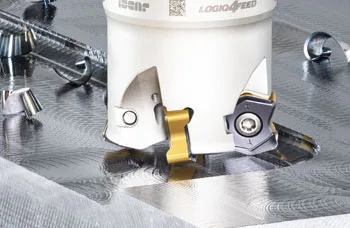
Milling is a machining process where a rotating cutting tool removes material to create flat surfaces, slots, and complex geometries. In this course, you will learn milling operations, tool geometry, and machining strategies to improve cutting performance, stability, and productivity.
⏱️ 2.5 hours
📚
12 Lessons
📝 Quiz
🎓 Beginner
What You'll Learn
✓
Understand milling principles, motions, and main operations
✓
Learn different milling methods such as face, shoulder, profile, and slot milling
✓
Apply advanced cutting strategies like high-speed and high-feed milling
✓
Understand tool geometry and its effect on chip formation and cutting forces
✓
Optimize coolant use and chip control for improved machining results
✓
Identify vibration and tool wear and apply methods to improve stability
Course Content
1
Milling Basics
2
Common Milling Strategies
3
Geometry of Milling Cutters
4
Coolant-Dry or Wet?
5
Chips
6
Vibrations in Milling
7
Tool Wear
8
Machines, Parameters and Factors for Successful Milling
9
Milling Calculations
10
ISCAR's Indexable Insert Milling Products
11
ISCAR’s Exchangeable Heads Milling Products
12
ISCAR's Solid Carbide Milling Products
📝
Milling Quiz